

According to foreign media reports, the US Department of Energy (DOE) proposed on April 10th to lower the rated mileage rating of electric vehicles (EVs) to meet government fuel economy requirements, which may force car manufacturers to sell more low emission cars or improve traditional models.
DOE hopes to significantly modify the petroleum equivalent fuel economy methodology for electric and plug-in hybrid vehicles and apply it to the National Highway Traffic Safety Administration's (NHTSA) Enterprise Average Fuel Economy (CAFE) program. The system currently used in the United States has not been updated for over 20 years.
In the proposed regulations, DOE states that "encouraging consumers to purchase electric vehicles can reduce oil consumption, but giving excessive ratings to electric vehicles can lead to an increase in net oil usage because it reduces the fuel economy of traditional vehicles, which still account for the majority of car sales so far
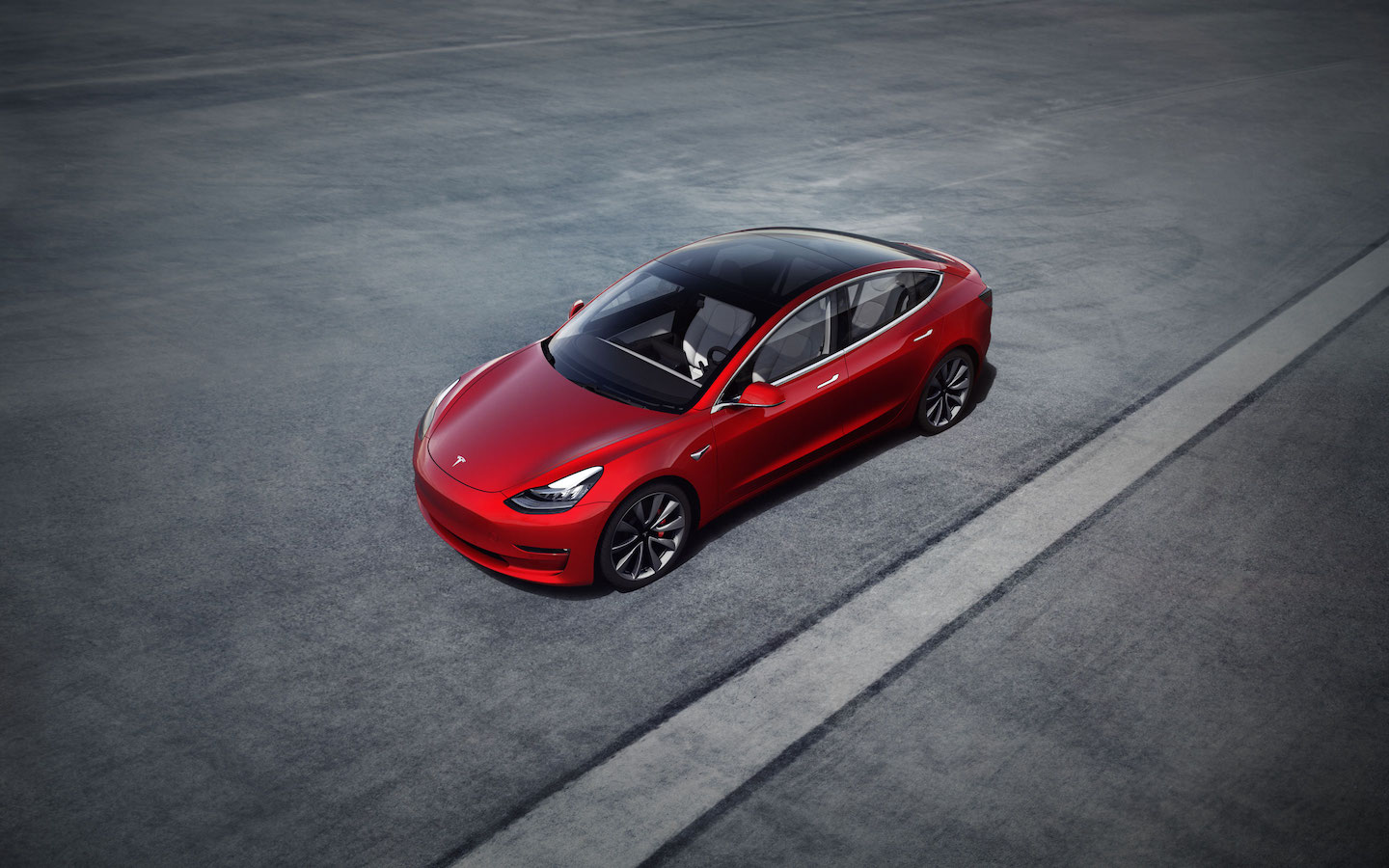
Image source: Tesla
The Alliance for Automotive Innovation, representing major car manufacturers, warned last year that downgrading ratings could have far-reaching effects and hinder the widespread adoption of electric vehicles. The organization stated on April 10th that it is currently unclear how the proposed calculation method by the Department of Energy will be incorporated into future CAFE standards.
The current rating of the Volkswagen ID.4 electric vehicle under CAFE is 380.6 MPGe, but under the proposal of the Ministry of Energy, it will become 107.4 MPGe; The Ford F-150 Lightning electric vehicle will decrease from 237.1 to 67.1 MPGe; The Chrysler Pacifica plug-in hybrid will decrease from 88.2 to 59.5 MPGe.
The Natural Resources Defense Council and Sierra Club in the United States requested regulatory changes in 2021, stating that "the calculated fuel economy values for electric vehicles are too high, which means that only a relatively small number of electric vehicles can ensure compliance in terms of values, and the actual average fuel economy of the entire fleet of car manufacturers has not been meaningfully improved. Tesla supports the petition of environmental organizations.
Sources revealed last week that the US Environmental Protection Agency (EPA) will propose new rules on April 12th to stimulate comprehensive reductions in car emissions, which will drive car manufacturers to significantly increase sales of electric vehicles.
NHTSA is expected to soon propose parallel and stricter CAFE requirements. In 2022, NHTSA significantly increased the CAFE standards for vehicles, reversing a setback during the era of former President Donald Trump.